
Mittlandsskogen - historical heritage and incomparable species richness
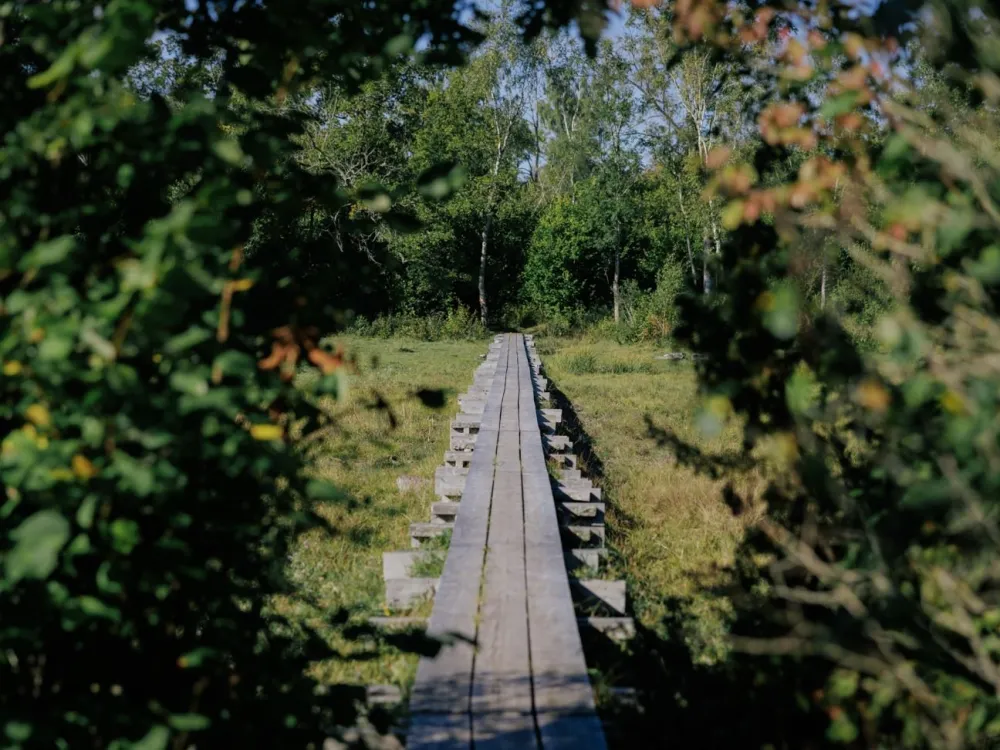
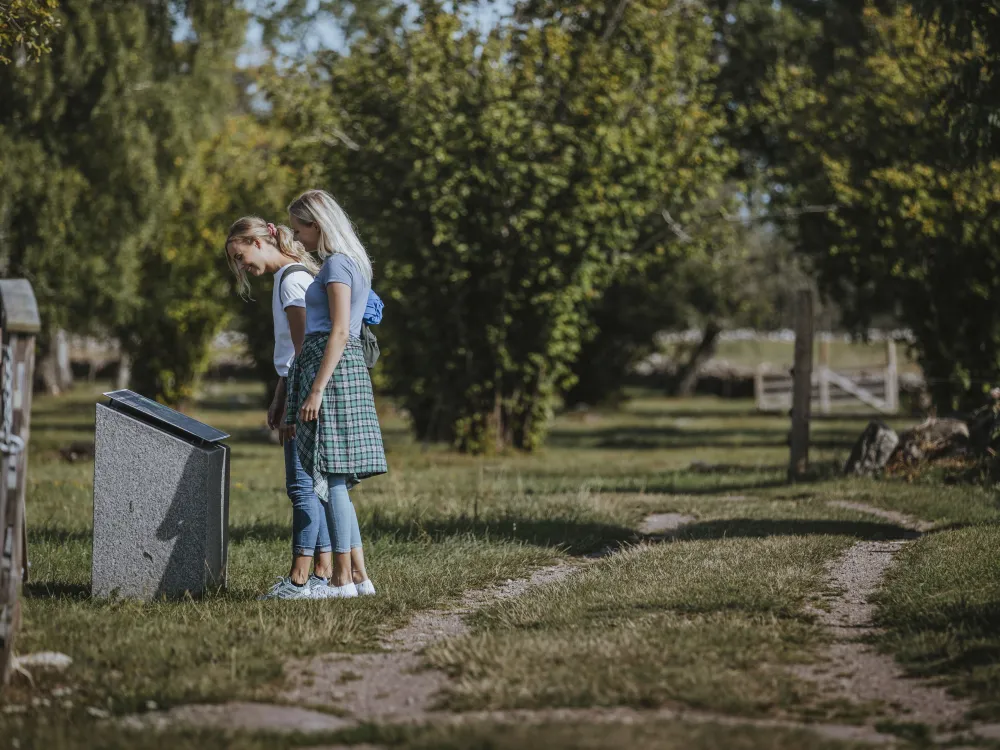
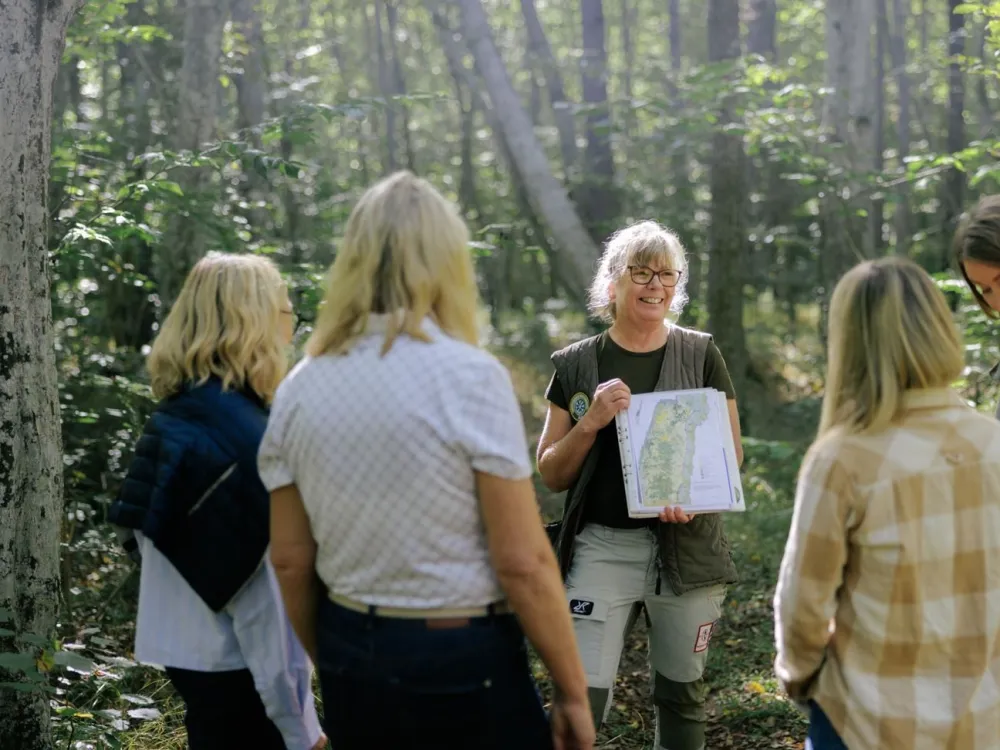
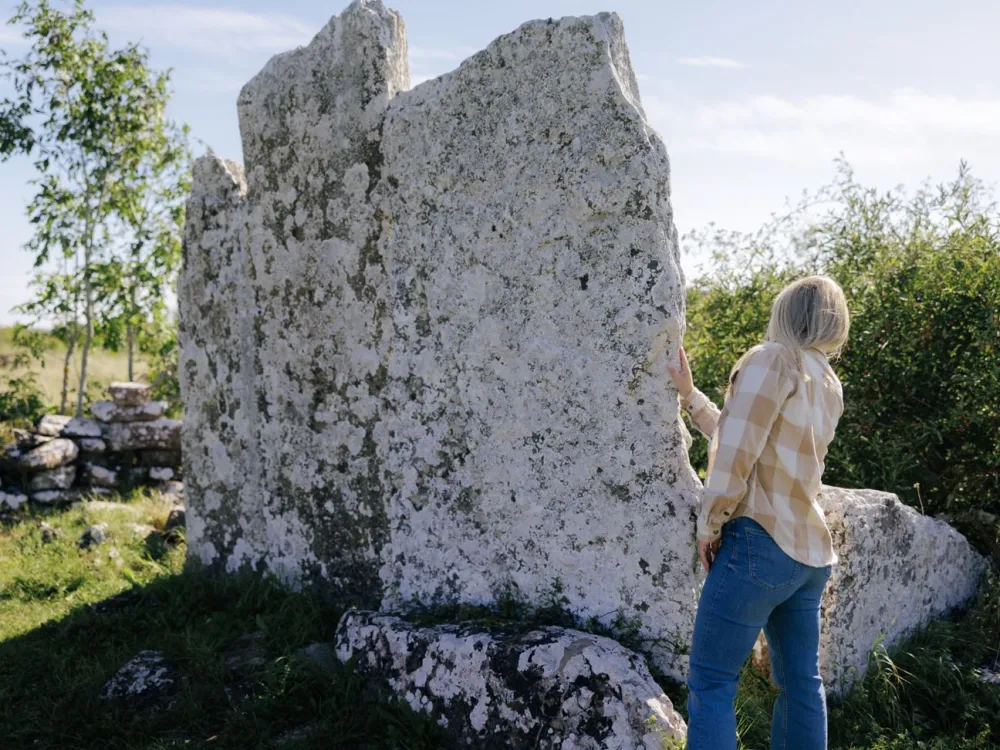
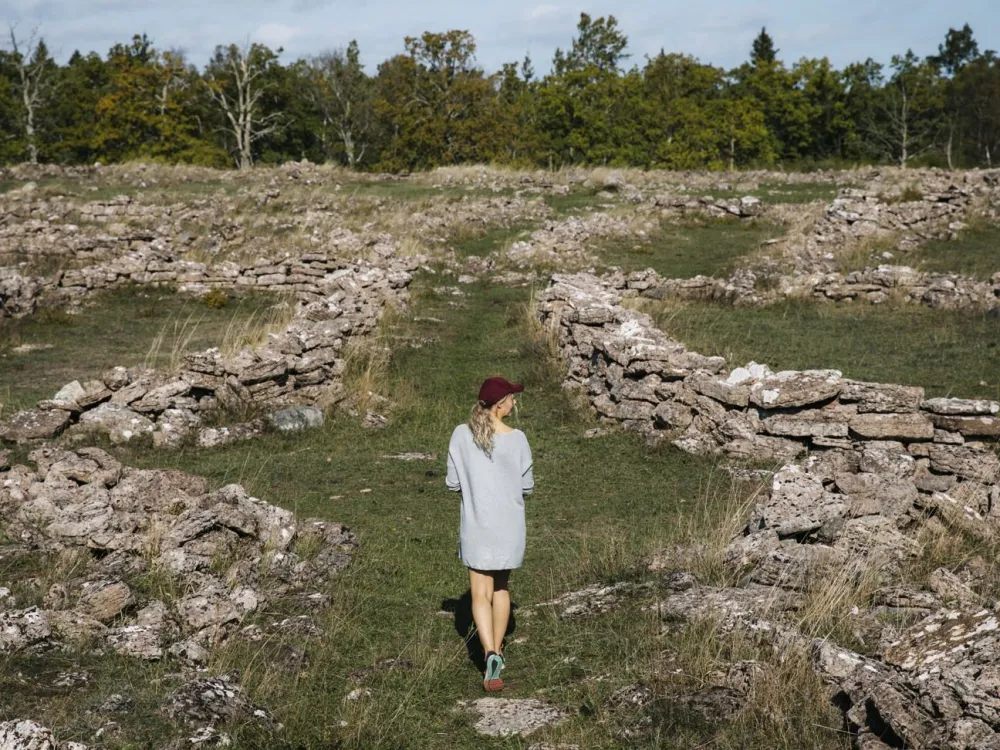
In the midland forest on Öland, there is an incomparable species richness of plants and animals and a historical archive in the form of thousands of remains of Iron Age farmers' house foundations, cattle lanes and stone enclosures. The natural and cultural environmental values in the central forest are of international class.
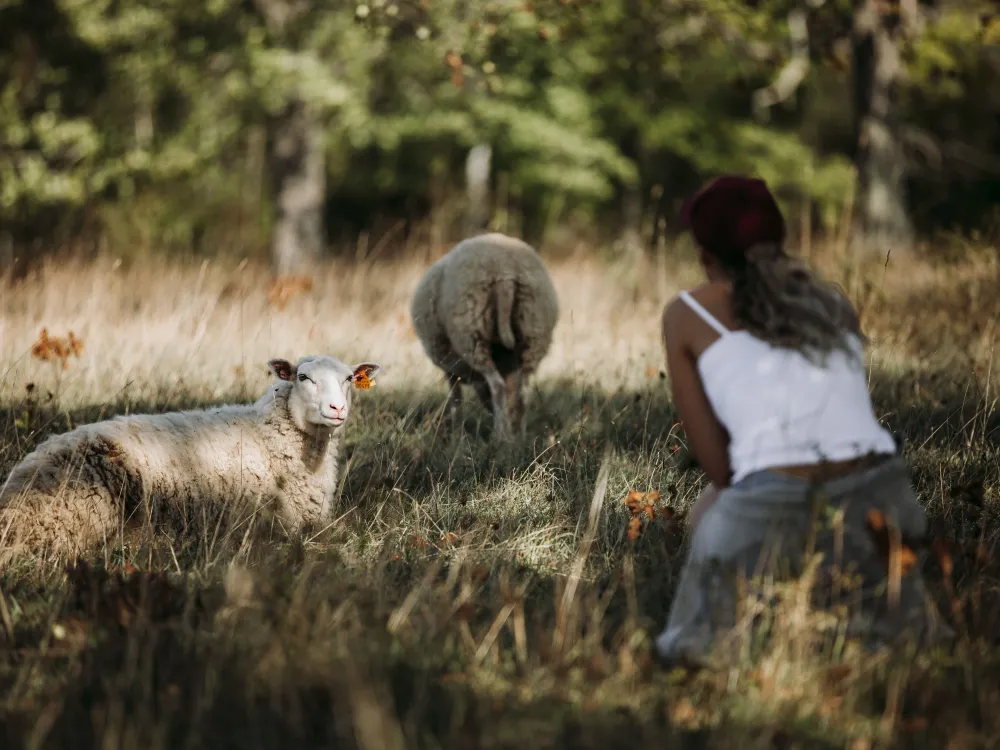
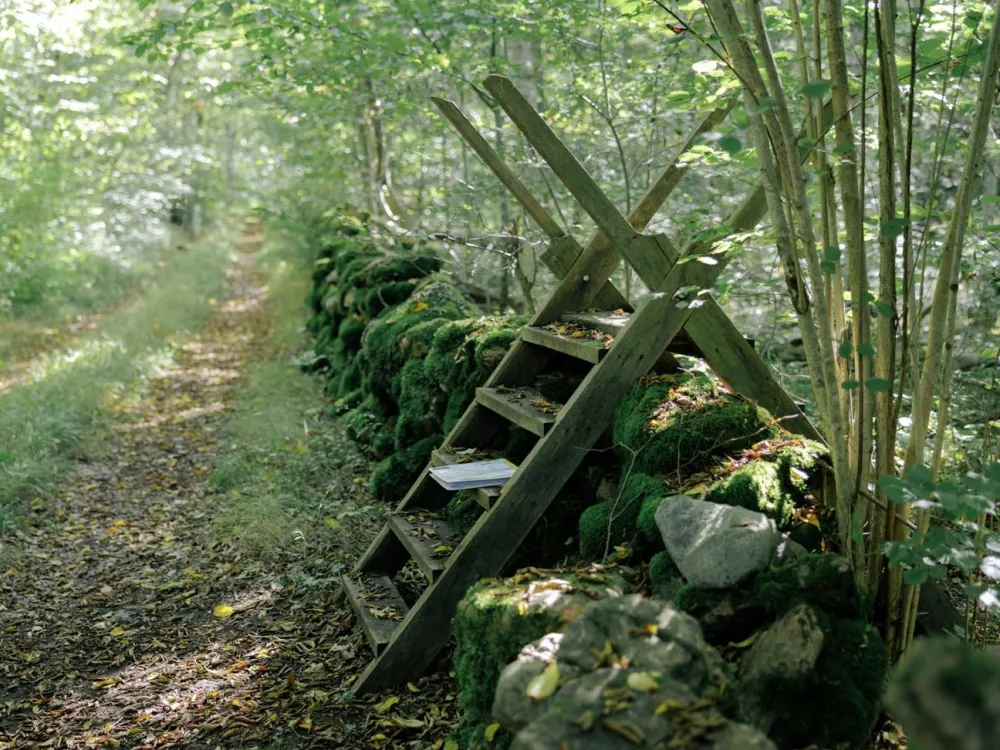
Mittlandsskogen, which stretches between Lenstad in the south and Köpingsvik in the north, is Europe's largest contiguous deciduous forest area below the mountain range and here is also Sweden's largest hazel forest. The broadleaf forest in central Norway consists mainly of 3 different types: hazel-rich oak forest, oak/ash/elm forest and hornbeam forest. Mittlandsskogen has largely arisen spontaneously after old mowing and grazing lands ceased to be cultivated and were left to grow again. However, many tree-bearing lands have a very long tradition. The meadows and pastures of the Midlands were farmed from the Iron Age until the 1900th century, and in these lands there were coarse broadleaf trees that were harvested for their leaves for the cattle's winter fodder.
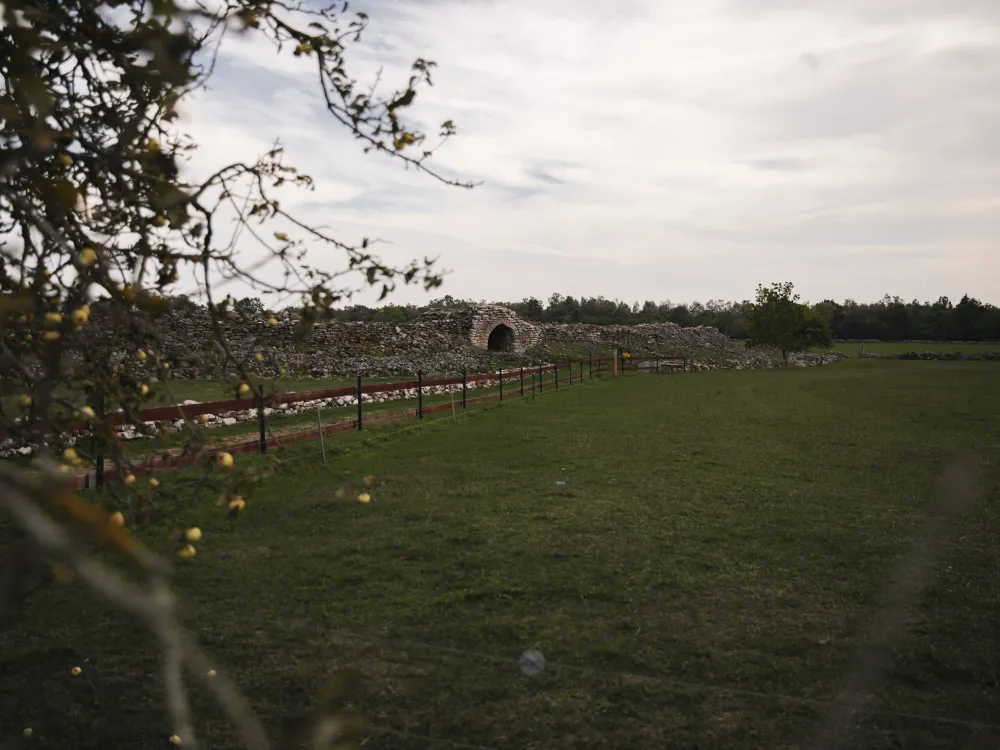
During the Iron Age, the islanders traded with the Roman Empire. Livestock farming was the basis of the economy. Around the villages in the midlands, leafy meadows were claimed and the trees felled to provide winter fodder for the livestock. When the Iron Age ended, the old village locations were abandoned and the people moved to new locations, where there were better soils to cultivate. Midland's old village locations now became pastures in the outback. In this way, house foundations, fairways and stone enclosures were preserved for posterity.