Strong rise in the middle of the 18th century
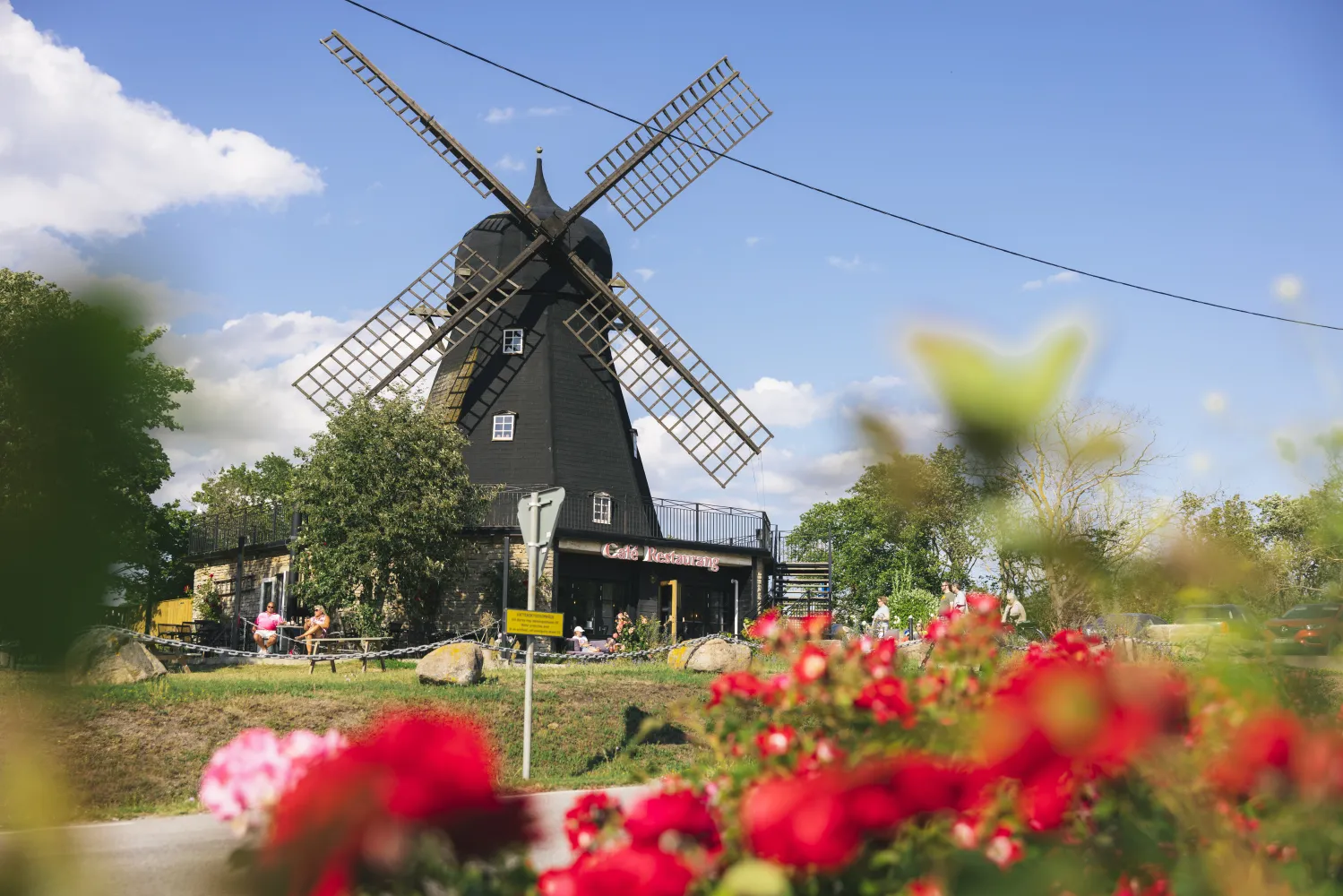
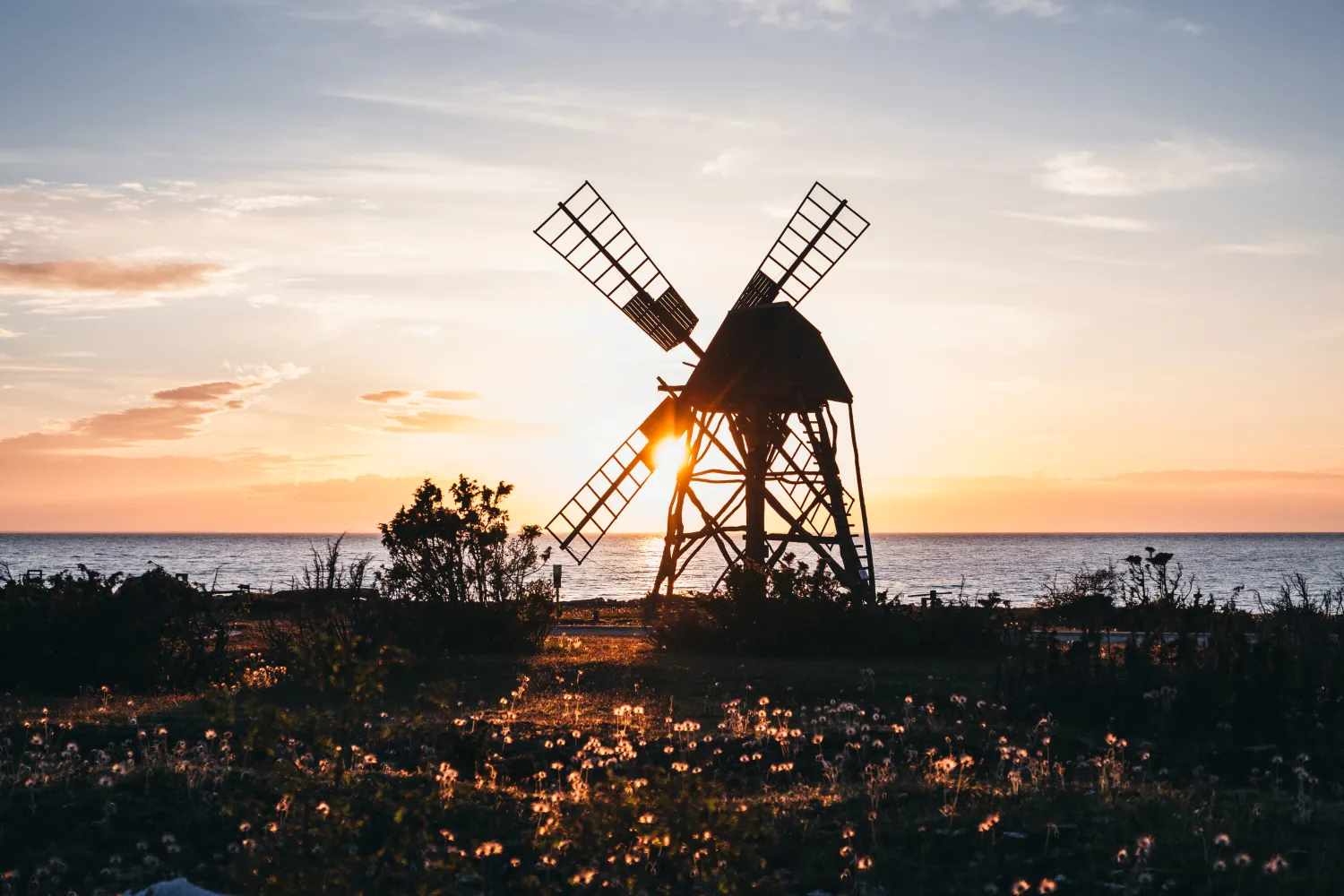
Im 18. Jahrhundert vervierfachte sich die Zahl der Windmühlen mehr als viel. From 1699 to 1808, the number increased from 375 to 1677. The biggest increase occurred in the middle of the 18th century, in the same time, when the mills all but disappeared. Ein königliches Schreiben von 1808 enthielt Bestimmungen, die darauf absielten, den Bau weiterer Mühlen auf der Insel zu verinderen. From 1808 to 1822 the number of windmills increased only from 1677 to 1713. Die Information, dass es 1822 1677 Mühlen gab, stammt aus dem Buch Öland Geschichte und Beschreibung des Ölander Priesters Abraham Ahlqvist. Laut Ahlqvist waren die Mühlen am densest besiedelt in der Pfarrei Vickleby, wo es 77 gab. At the turn of the century in 1900, the number of windmills on Öland drastically decreased. At first, the most mills in the southern and central parts of the island were demolished, where the modernization of agriculture was the fastest. Die kleinen Baumstumpfmühlen were replaced by new, technically superior mills – first the large Dutch mills, then steam mills and mills operated with raw oil. Finally, electric mills and mills, which were connected to the farm's tractor, were also created. The Öland Mühlenverband founded in 2008 recently carried out an inventory, which found that 351 mills still exist today on the island.